How to Master Graffiti Color
Embarking on a creative journey to learn how to color in graffiti? You've picked an exciting and expressive art form! Graffiti, a vibrant blend of street art and urban culture, is all about bold colors and powerful messages. Let's dive into the world of graffiti art, exploring techniques, tools, and styles to help you master this captivating art form.
Graffiti art has evolved significantly over the years, with diverse styles ranging from simple tags to intricate, fully-detailed murals. Whether you're drawn to the edgy aesthetic of wildstyle letters or captivated by color-intensive pieces, there's a whole world of graffiti waiting to be explored. So, let's grab our cans of spray paint and get started!
Understanding Graffiti Styles and Tools
Before you begin coloring in graffiti, it's essential to understand the different styles and tools involved. Graffiti art is as much about the message as it is about the medium. Different styles require distinct techniques and tools. Familiarizing yourself with these will help you choose the right approach for your graffiti masterpiece.


From the minimalist, textual style of tags to the complex, geometric patterns of wildstyle, each graffiti style has its unique characteristics. Moreover, different styles require specific tools. For instance, tags typically use wider spray paint nozzles, while wildstyle might need fine-point markers or brushes for detailed line work.
Graffiti Tools: Spray Paint and Beyond
Spray paint is the bread and butter of graffiti art. It comes in various types, nozzles, and cap sizes, each suited to different techniques. Familiarize yourself with the following:


- Nozzle size: Larger nozzles (e.g., cap size 3) are great for filling large spaces, while smaller nozzles (e.g., cap size 0) are perfect for fine details.
- Paint types: Choose between glossy, satin, or matte finishes. Some paints have special effects like glitter or metallic flakes.
Other tools, like markers, brushes, and stencils, expand your creative possibilities. Don't hesitate to experiment with different tools to find your unique graffiti style.
Mastering Graffiti Techniques
With a grasp of tools and styles, it's time to explore some fundamental graffiti techniques. Practice these to build your graffiti skillset:
- Outline and fill: Start by outlining your design, then fill in the spaces with color.
- Double-stroke technique: This involves applying two thin coats of paint next to each other, creating depth and vibrancy.
- Color spray technique: Experiment with different color combinations and spray techniques to create unique textures and effects.
Practice these techniques with patience and persistence. Graffiti art is a skill that improves with experience. Don't hesitate to seek inspiration from other artists and experiment with different styles.


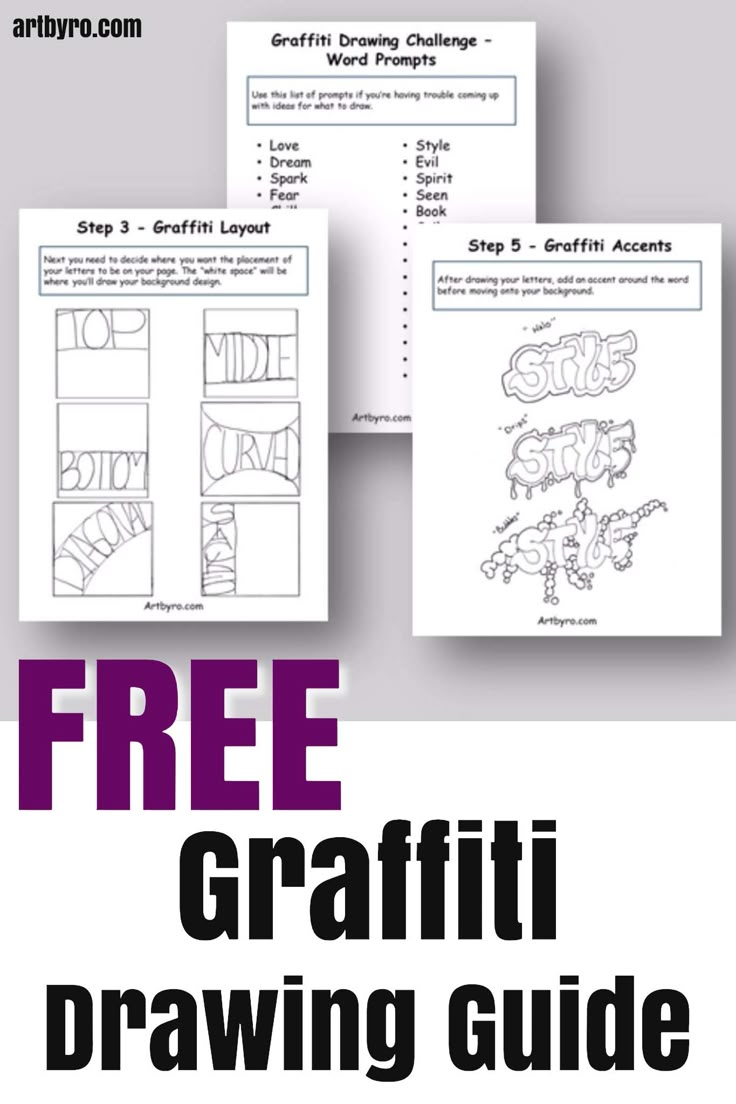
ydding Color to Your Graffiti Art
Color is the lifeblood of graffiti art. It invokes emotion, communicates mood, and captures attention. When coloring in graffiti, consider color theory, contrast, and complementary hues to create striking pieces.
Color theory is a powerful tool for graffiti artists. It helps establish harmony and balance in your artwork. Familiarize yourself with basic color theory concepts, such as primary and secondary colors, complementary colors, and color temperature (warm vs. cool).
Creating Contrast and Harmony
Graffiti art thrives on contrast. Use contrasting colors to make your artwork pop and draw the viewer's attention. Consider these contrasting color pairs:


- Yellow and blue
- Red and green
- Black and white
However, contrasting colors aren't the only way to create harmony. Complementary colors ( colors directly opposite each other on the color wheel) can also create a pleasing, balanced effect.
chaque Your Artwork with Special Effects
Incorporating special effects can elevate your graffiti artwork and make it more dynamic and engaging. Techniques like fading, color transitions, and use of texture create depth and visual interest:
- Color fading: Blend two or more colors together to create a subtle, natural transition.
- Texture: Experiment with different materials like)、**(`,oco615**) or **stenciling** to add layered textures and depth to your graffiti art.
Play with these techniques and see how they enhance your graffiti art. The world of color and texture is vast, and the more you explore, the more unique your graffiti style will become.
Embarking on your graffiti journey is an exciting adventure. As you experiment with styles, tools, and techniques, you'll uncover your unique voice in this vibrant art form. So, grab your spray paint, sketch your design, and hit the streets – the world is waiting for your graffiti masterpiece!
Related Articles

Mystifying Octopus: Master of Color Camouflage
geschehen in der Natur, gibt es Phänomene, die uns immer wieder fascinieren. Eines dieser faszinierenden Phänomene ist die Fähigkeit von Tintenfischen, ihre...

Minecraft: Master Color Commands
In the vast, blocky world of Minecraft, commands are a powerful tool that players can use to manipulate the game environment. One such command is "\ veel\>"...

Minecraft Color Codes: Master the Palette
Dive into the vibrant world of Minecraft with our comprehensive guide on color codes. These unique sequences allow you to add flair to your in-game creations...

Sonic Coloring: How to Master the Ultimate Color Challenge
Have you ever found yourself wanting to give the iconic Sonic the Hedgehog a new hue, but weren't sure where to start? You're not alone. Coloring Sonic can be...

ASL Sign for Color: Master the Colors
The American Sign Language (ASL) alphabet, a vital part of the ASL language, includes signs for various elements, including colors. As with any language...

Color Switch Online: Challenging To Master | Play Now
Experience gaming like never before with Online Games: Color Switch. This simple yet addictive online game has taken the world by storm, offering a unique...